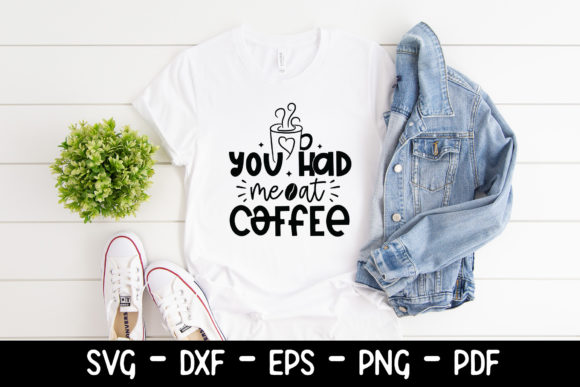
Reviewing You Had Me at Coffee SVG for Embroidery
As a designer who spends half my life digitizing and the other half stitching, I have learned to look past the pretty preview images. When I first opened You Had Me at Coffee, Coffee Saying SVG, I was not just looking for a cute quote. I was evaluating whether this graphic could survive the transition from a flat digital file to a textured, three-dimensional finished product. In the world of Crafts and Graphics, there is a significant gap between what looks good on a screen and what holds up under the needle.
The First Impression: Mood and Layout
The immediate vibe of this design is relaxed and relatable. It captures that specific morning sentiment that resonates with a wide audience. Visually, the layout appears balanced, which is crucial for embroidery. If the text is too cramped or the graphical elements are too delicate, they will get lost in the thread. This saying relies on clarity. The typography needs to be bold enough to read from a distance but refined enough to look professional on a custom apparel piece.
For an Etsy seller or small shop product creator, the appeal lies in its versatility. It is not overly seasonal, meaning it can sell year-round. However, the true test is how those curves and lines translate into stitch density and thread coverage.
Real-World Application: The Tote Bag Test
To truly evaluate You Had Me at Coffee, Coffee Saying SVG, I imagined applying it to a heavy cotton canvas tote bag design. This is a popular item for coffee shops and boutique brands. On canvas, the fabric texture is prominent. A design with thin running stitch outlines might disappear into the weave. Therefore, this graphic works best when adapted with slightly thicker strokes or a combination of satin stitch borders and fill stitch interiors.
If you are using this as a machine embroidery design, consider the scale. On a tote, you want the message to be legible without dominating the entire bag. Placing it centrally allows the natural drape of the fabric to frame the work. Customers reacting to this item are likely looking for a personalized gift that feels handmade yet polished. The sarcastic yet sweet tone builds immediate rapport with the buyer.
Apparel and Fabric Considerations
Moving from bags to clothing, the dynamics change. Applying this to a sweatshirt embroidery project requires attention to the fleece or terry cloth surface. These fabrics are plush and can swallow small details. If the SVG contains tiny serifs or intricate corners, they may bunch up or look muddy after stitching. I recommend simplifying any overly complex nodes in your digitizing software before converting the digital embroidery file.
For baby embroidery, such as a onesie or bib, softness is key. High stitch density can make the garment stiff and uncomfortable against sensitive skin. In this case, you might consider turning parts of the design into an applique design. By using fabric cutouts for the larger shapes and only stitching the outline and text, you reduce bulk while maintaining visual impact. This approach also speeds up production time, which is vital for a busy craft business.
When working with dark fabric, thread color contrast becomes critical. A light cream or pastel thread against navy or black creates a striking look, but ensure your thread colors are high-quality polyester to prevent fading after washing. Always test on scrap fabric first. What looks vibrant on the spool may dull slightly once stitched into the fiber.
Challenges with Curved and Textured Surfaces
Not every surface is friendly to this type of graphic. Caps and hats present a curved, structured challenge. Stitching You Had Me at Coffee, Coffee Saying SVG on a cap requires careful hooping and possibly a stronger backing stabilizer to prevent puckering. The curvature can distort long horizontal lines, so keep the design compact and centered on the front panel.
Similarly, thin or stretchy fabrics like jersey knits need proper stabilization. Without a cut-away stabilizer, the weight of the embroidery can pull the fabric out of shape, ruining the silhouette of a t-shirt. Always match your stabilizer choice to the fabric weight and the expected wear of the embroidered patch or direct stitch.
Commercial Viability and Brand Consistency
For commercial embroidery projects, consistency is king. If you are producing batches for a local cafe or a corporate gift run, every item must look identical. This SVG format allows you to resize without losing quality, but remember that resizing changes the stitch count if you are using auto-digitizing tools. It is often better to create separate embroidery file versions for different hoop sizes rather than stretching one file to fit all.
Using this design in printable mockup previews for your online store can help customers visualize the final result. Show the design on various backgrounds—light linen, dark denim, and neutral canvas. This helps manage customer expectations regarding how the fabric texture interacts with the threads.
Practical Designer Notes
Before you commit to full production, keep these practical steps in mind:
- Check Licensing: Confirm whether the license allows for commercial use of finished items. Some design assets are for personal use only.
- Test Stitch Density: Run a test stitch-out on similar fabric to check for thread breaks or nesting.
- Contrast Check: View your design in black and white to ensure the shapes are distinct even without color cues.
- Hoop Size: Ensure the design fits comfortably within your standard hoop size with room for margins.
- Detail Inspection: Zoom in on small letters or corners. If they are smaller than 3mm, consider merging them or removing them to prevent machine errors.
Ultimately, You Had Me at Coffee, Coffee Saying SVG is a strong contender for your library if handled with technical care. It offers high emotional value to the end-user, which drives sales for holiday embroidery gifts or everyday treats. By respecting the limitations of the medium and preparing your files correctly, you can turn a simple graphic into a high-value handmade product that stands out in a crowded market.