Reviewing One Lucky Pap Pap Svg for Embroidery
As a designer who has spent countless hours digitizing and stitching out files for clients, I have learned that not every graphic translates well to thread. When I first opened the One Lucky Pap Pap Svg, my initial reaction was one of cautious optimism. The phrase itself carries a warm, familial weight, suggesting a project destined for a grandfather figure. However, seeing a vector on a screen is vastly different from watching a needle pierce fabric. My job here is to evaluate whether this design holds up under the mechanical stress of an embroidery machine and the aesthetic scrutiny of a paying customer.
First Impressions and Visual Personality
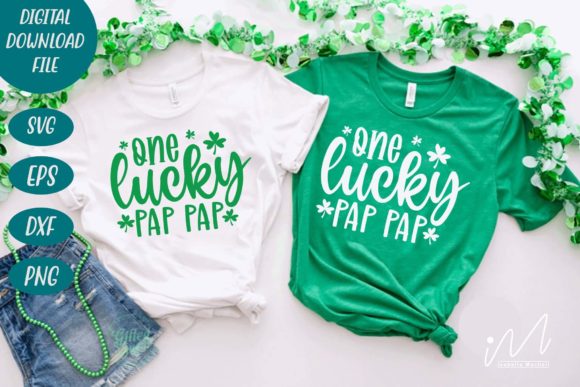
The mood of this design is undeniably cheerful and affectionate. It fits squarely into the niche of personalized family gifts, appealing directly to those looking for holiday embroidery ideas or birthday surprises for grandfathers. Visually, the layout appears balanced, but as an experienced reviewer, I look past the surface. I examine the line weights and the spacing between letters. In Graphics meant for print, tight kerning is often stylish. In embroidery, tight kerning is a recipe for thread breaks and puckering.
When evaluating One Lucky Pap Pap Svg, I consider how the shapes will fill. If the font is too thin, it may require a dense satin stitch that could pull on delicate fabrics. If it is too bold, it might require a fill stitch that adds unnecessary weight to a garment. The "lucky" theme suggests potential for playful elements, perhaps a shamrock or a heart, which would need careful digitizing to ensure they do not become muddy blobs of thread after washing.
Real-World Application: The Sweatshirt Test
To truly test a file, I imagine it on a specific product. Let us consider a custom fleece sweatshirt, a popular item for custom apparel. Fleece is thick and textured. A design like One Lucky Pap Pap Svg needs enough presence to stand out against the plush background. If the design is too delicate, it will get lost in the nap of the fabric. Conversely, if the stitch density is too high, the sweatshirt will feel stiff and uncomfortable around the chest area.
I also visualize this on a canvas tote bag design. Here, the sturdy weave of the canvas can handle more aggressive stitching. This makes the design a strong candidate for a handmade product sold at craft fairs. The durability of the stitch on canvas ensures that the message remains legible even after carrying groceries or books. For an Etsy seller, offering this on both soft apparel and durable bags expands the market reach significantly.
Challenges with Small Hoops and Curved Surfaces
Not every project is a flat piece of cotton. Consider an embroidered patch or a cap. Caps are notoriously difficult due to their curved surface and structured front panel. If One Lucky Pap Pap Svg has wide letter spacing, it might distort when stitched on a curve. I would advise testing the design on a scrap piece of similar material before committing to a final finished product.
Furthermore, small hoop sizes present a challenge. If the design includes tiny details or intricate flourishes, they may not stitch out cleanly in a 4x4 inch hoop. The machine’s precision has limits, and very small elements can turn into tangled nests of thread. It is crucial to check the scale of the design relative to your hoop size. If the text becomes illegible when scaled down, it is not suitable for baby clothes or small accessories.
Technical Considerations for Designers
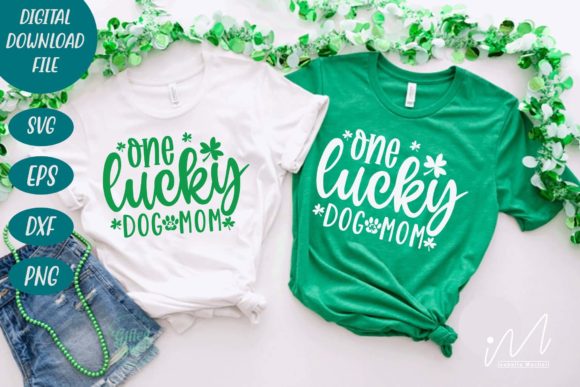
The product description notes that you will receive SVG, DXF, EPS, and PNG formats. It is vital to understand what these mean for an embroiderer. These are primarily cut files and graphics, not necessarily native machine embroidery design files like PES or DST. This distinction is critical. You cannot load an SVG directly into most embroidery machines without conversion software or manual digitizing.
If you are using this as a reference for manual digitizing, you have full control over the stitch density and direction. You can choose to use a running stitch for outlines to keep the design light, or a satin stitch for a premium, raised look. However, if you are relying on auto-digitizing software to convert the SVG, be warned. Auto-digitizers often create excessive underlay and poor stitch paths. Always inspect the stitch plan before hitting "start."
For those using the PNG for printable mockup purposes or digital previews, ensure the resolution is high enough. A pixelated preview can deter buyers from trusting the quality of your craft business offerings. High-quality design assets are essential for professional presentation.
Fabric and Thread Choices
The success of One Lucky Pap Pap Svg depends heavily on material choices. On dark fabric, you must ensure high contrast. A navy thread on a black shirt will vanish. Use bright whites, yellows, or metallics to make the "lucky" theme pop. On stretchy fabrics like jersey knits, a proper stabilizer is non-negotiable. Without it, the design will pucker and distort, ruining the personalized gift aspect.
Thread colors should complement the sentiment. Greens for luck, blues for calm, or classic reds for warmth. Avoid using too many color changes if the design is small, as each stop and start increases the risk of misalignment. Keep the thread colors simple and impactful.
Commercial Viability and Brand Trust
For small shop product lines, consistency is key. If One Lucky Pap Pap Svg fits your brand’s aesthetic, it can be a reliable seller. Grandparents are a huge demographic for personalized items. However, you must verify the licensing terms. Just because you bought the SVG does not automatically grant you the right to sell physical items made with it, especially if the font or graphics are copyrighted. Always read the license included with the download.
Using this design in a commercial embroidery context requires confidence in its durability. Customers expect their baby embroidery items to survive multiple washes. If the stitches are too loose or the fabric is not pre-washed, the design may shrink differently than the garment, causing unsightly gaps. Test wash your samples. This step builds customer trust and reduces returns.
Final Verdict for Makers
In conclusion, One Lucky Pap Pap Svg offers a charming concept with strong emotional appeal. It is well-suited for Crafts that celebrate family bonds. However, its success relies entirely on execution. Do not assume the file is ready-to-stitch. Treat it as a blueprint. Digitize it carefully, respect the limitations of your hoop and fabric, and always test on scraps. By doing so, you transform a simple graphic into a high-value, professional embroidery project that customers will cherish. Whether for a holiday gift or a boutique inventory staple, this design has potential, provided you approach it with the eye of a skilled technician.