Review: Star Spangled and Sassy 4th of July SVG
As a designer who spends half my life staring at stitch simulations and the other half untangling thread from bobbin cases, I have learned to be skeptical of holiday graphics. The market is flooded with patriotic designs that look crisp on a screen but turn into a dense, puckered mess once they hit the fabric. When I first pulled up the Star Spangled and Sassy, 4th of July SVG, I was not looking for flashy marketing claims. I was looking for usability. I wanted to know if this design could hold its own in a real-world embroidery project, or if it was just another digital asset destined for the recycle bin.
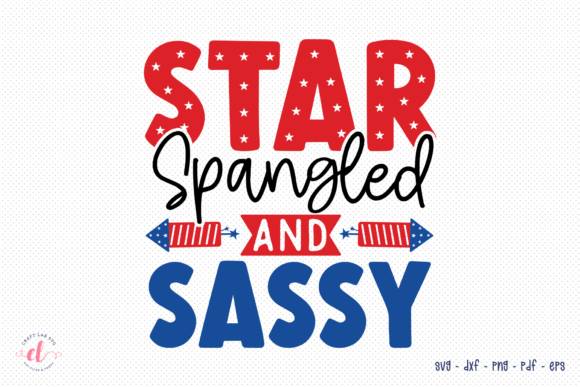
The first impression is surprisingly grounded. This is not an overly complex illustration trying to do too much with too little space. Instead, it relies on strong typography and iconic imagery to carry the theme. The mood is celebratory but refined, avoiding the cartoonish trap that many Independence Day graphics fall into. For those of us in the Crafts and Graphics space, finding a balance between festive and professional is key, especially when creating items for boutique clients who want something unique rather than generic.
Real-World Application: The Tote Bag Test
To truly evaluate any machine embroidery design, you have to imagine it on a specific product. I visualized this design on a heavy-duty canvas tote bag, a staple item for any Etsy seller or small shop product line during the summer season. The layout of the Star Spangled and Sassy, 4th of July SVG works exceptionally well here. The horizontal spread of the text allows it to sit comfortably across the center of a bag without wrapping awkwardly around the sides.
I also considered its application on sweatshirt embroidery. A crewneck sweatshirt provides a stable, thick surface that can handle moderate stitch density. The design’s bold lines would stand out clearly against heather grey or navy fabric, making it a strong contender for custom apparel lines. However, the inclusion of a black version in the package is a thoughtful touch. It suggests the creator understands that not every project requires red, white, and blue. Sometimes, a monochrome look offers a more modern, understated aesthetic that appeals to a broader customer base.
Stitching Clarity and Visual Appeal
When converting vector graphics into an embroidery file, clarity is everything. Tiny details get lost, and thin lines can break under the tension of the needle. This design appears to prioritize readability. The lettering is substantial enough to likely translate well into satin stitch or a tight fill stitch without becoming a solid blob of thread. This is crucial for maintaining the "sassy" attitude of the quote; if the text is illegible, the message fails.
For holiday embroidery projects, visual impact drives sales. A clear, bold design catches the eye in online thumbnails and craft fair displays alike. Whether you are creating a personalized gift for a neighbor or stocking inventory for a craft business, the professionalism of the finished stitch-out reflects directly on your brand. A messy design suggests a messy maker, while a clean, crisp execution builds customer trust.
Where Caution Is Required
Despite its strengths, this design is not a universal fix-all. There are specific scenarios where you should proceed with caution. First, consider hoop size. If you are working with a small 4x4 hoop, you may need to resize the design significantly. Shrinking intricate text too much can lead to stitching errors and poor legibility. Always check the minimum recommended size before committing to a small embroidered patch or a baby hat.
Fabric choice is another critical variable. While this design would look fantastic on a sturdy tote bag design or a denim jacket, it might struggle on thin, stretchy fabrics like lightweight jersey t-shirts. Without proper stabilization, the weight of the thread could cause the fabric to pucker or distort. Similarly, avoid using this on highly textured fabrics where the stitches might sink into the weave, losing their definition. For baby embroidery, ensure the back of the stitches is soft and covered, as scratchy thread ends are a no-go for sensitive skin.
If you plan to use this on curved surfaces like caps, be mindful of the design’s width. A wide design can distort when stitched on a curved cap buckram. In such cases, breaking the design into smaller elements or choosing a different placement might be necessary.
Practical Designer Notes for Best Results
Before you launch this into production, take a moment to run through a few quality control checks. These steps separate the hobbyists from the professionals:
- Test on Scrap Fabric: Never stitch a new design directly on your final product. Use a scrap piece of the same material to check for puckering, thread breaks, or registration issues.
- Check Thread Contrast: Since the design comes in color and black versions, test both. See how the colors pop against your chosen fabric. High contrast usually yields better readability.
- Review Stitch Density: If your machine allows, preview the stitch count. If the design feels too dense, consider adding a tear-away or cut-away stabilizer to support the fabric.
- Inspect Small Details: Zoom in on the digital preview. Are there any tiny isolated stitches that might cause bird nests? If so, you may need to edit the file or adjust your machine’s tension.
- Verify Licensing: As a digital embroidery file intended for commercial use, always confirm the license terms. Can you sell finished items? Can you use it in printable mockup previews? Knowing these boundaries protects your design assets and your business.
Final Verdict for Makers and Sellers
The Star Spangled and Sassy, 4th of July SVG is a solid addition to any patriotic collection. It avoids the clutter of over-designed graphics and focuses on bold, clear communication. For commercial embroidery projects, it offers versatility. It works well on aprons, pillow covers, and even kitchen towels if scaled appropriately. The availability of a black version adds value, allowing for year-round use beyond just July fourth celebrations.
For handmade product creators, this design simplifies the decision-making process. It is ready to stitch, requiring minimal tweaking for standard applications. Just remember to respect the limitations of your materials. Pair it with the right thread colors and a stable fabric, and you will have a finished product that looks professional and sells itself. Whether you are a seasoned apparel decorator or a weekend warrior looking to make a special holiday gift, this design earns its place in the hoop.