Review: Shits About to Go Down SVG for Embroidery
As a designer who has spent countless hours digitizing and stitching out files for clients, I have learned that not every cute graphic translates well to thread. When I first encountered the Shits About to Go Down SVG, Bathroom SVG, my initial reaction was amusement, followed immediately by a professional assessment of its technical viability. This isn’t just a funny quote; it is a piece of digital art that needs to survive the transition from screen to fabric. For those of us in the Crafts and Graphics space, understanding how a design behaves under the needle is just as important as liking the aesthetic.
First Impressions and Visual Personality
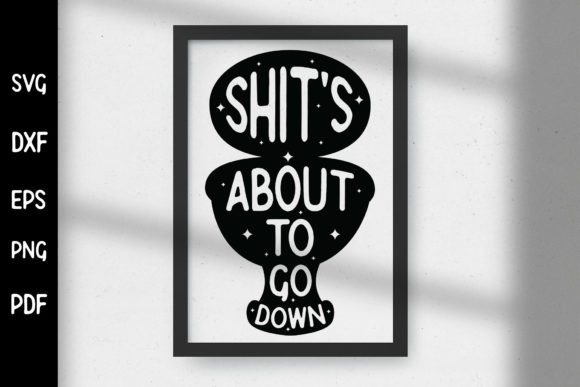
The mood of this design is unapologetically bold and humorous. It captures a specific type of bathroom humor that resonates with a wide audience, making it a strong candidate for personalized gifts or novelty home decor. Visually, the layout appears balanced, with a creative theme that suggests movement and urgency. However, when we look at this through the lens of an embroidery project, we must consider the shape and detail level. Bold, thick lines generally stitch out better than fine, intricate details, especially on textured fabrics. The visual personality here is casual and fun, which means it naturally belongs on items that are meant to be relaxed and approachable, rather than formal or delicate.
Real-World Application: The Tote Bag Test
To truly evaluate the Shits About to Go Down SVG, Bathroom SVG, I imagined a real-life scenario: creating a custom embroidered tote bag for a friend’s housewarming gift. Tote bags are typically made from canvas or heavy cotton, which provides a stable base for stitching. In this context, the design’s bold nature works in its favor. The text needs to be legible from a distance, and the humorous punchline lands better when the stitches are clean and distinct.
If I were producing this for a small shop product or an Etsy listing, I would consider how the design interacts with the fabric texture. On a smooth cotton tea towel, the design might require a denser fill stitch to prevent the background fabric from showing through. On a rougher linen apron, the same design might need adjusted stitch density to ensure the threads sit properly without sinking into the weave. This kind of practical judgment is what separates a generic digital embroidery file from a professional-grade machine embroidery design.
Versatility Across Product Lines
This design is not limited to bathroom signs. Its versatility allows it to shine in various commercial embroidery projects. For custom apparel, such as a sweatshirt embroidery piece, the design can serve as a chest logo or a larger back print. The key is scaling. If you shrink it too much for a baby embroidery project, like a onesie, the smaller lettering might become illegible or cause puckering due to high stitch density in a small area. Conversely, on a large pillow cover or blanket, the design can be expanded to make a bold statement.
For holiday embroidery or wedding gifts, this might seem like an unconventional choice, but for the right recipient, it adds a layer of personality and humor that standard floral motifs lack. It fits perfectly into the niche of boutique branding where the owner wants to stand out with witty, memorable designs. Whether used for an embroidered patch on a cap or as a central motif on a kitchen towel, the design’s impact relies on clear execution.
Technical Considerations and Potential Pitfalls
While the concept is strong, there are areas where caution is necessary. When working with curved surfaces like caps or hats, the distortion of the fabric can warp the text. The phrase "Shits About to Go Down" relies on horizontal alignment for readability. If the hoop size is too small or the stabilizer is insufficient, the letters may twist, ruining the joke and the aesthetic. Additionally, dark fabric backgrounds require careful selection of thread colors. A light thread on dark fabric provides contrast, but if the design includes thin running stitch elements, they may get lost or break easily during washing.
Dense stitch areas are another concern. If the original SVG has solid filled shapes, converting them directly to a fill stitch without proper underlay can lead to a stiff, cardboard-like feel on the finished product. This is particularly problematic for items that need frequent washing, such as bathrobes or towels. The stiffness can cause the fabric to pucker around the design, reducing the perceived quality of the handmade product. Always check whether the design works for both personal and commercial projects by testing it on scrap fabric first.
Enhancing Value and Customer Trust
From a business perspective, the quality of the stitch-out directly affects customer trust and brand consistency. A sloppy embroidery job with loose threads or misaligned letters can damage an Etsy seller’s reputation. On the other hand, a crisp, well-digitized version of the Shits About to Go Down SVG, Bathroom SVG enhances the giftability and professionalism of the item. Buyers engage more with products that look polished and intentional. Using proper stabilizer and selecting high-quality thread colors can elevate the design from a simple graphic to a premium craft business item.
When creating printable mockups or digital product previews, ensure that the representation matches the final stitched result. Misleading images can lead to returns and negative reviews. Transparency about the design’s limitations, such as recommended hoop sizes or fabric types, builds credibility with your audience.
Practical Designer Notes
Before committing to a full production run, follow these steps to ensure success:
- Test on Scrap Fabric: Always stitch out a sample on the same material you plan to use for the final product. This reveals issues with tension, density, and registration.
- Check Thread Color Contrast: Ensure the thread colors stand out against the fabric. High contrast improves readability and visual appeal.
- Review Stitch Density: Adjust the density if the design feels too stiff or if the fabric is pulling. Lower density is often better for stretchy fabrics.
- Confirm Hoop Size: Make sure the design fits within your machine’s hoop capabilities without needing excessive re-hooping, which can cause misalignment.
- Inspect Small Details: Zoom in on the digitized file to check for tiny elements that may not stitch well. Simplify if necessary.
- Test in Black and White: View the design in monochrome to assess its structural integrity without the distraction of color.
- Use Proper Stabilizer: Choose the right stabilizer for the fabric type—cut-away for stretchy materials, tear-away for stable wovens.
- Verify Licensing: Confirm the license terms before selling finished items or digital products. Ensure you have the right to use the design for commercial embroidery.
In conclusion, the Shits About to Go Down SVG, Bathroom SVG is a promising asset for designers who understand the nuances of embroidery. It offers humor and style, but its success depends on thoughtful application and technical precision. By treating it as a serious design element rather than just a funny quote, you can create high-quality, engaging products that resonate with customers and enhance your craft business.