Review: My Husband I Are Doing a Workshop SVG for Stitchers
As a designer who has spent years translating digital vectors into tangible thread, I approach every new file with a mix of curiosity and caution. We have all been there: you find a charming graphic, load it into your software, and assume it will stitch out perfectly. More often than not, reality hits when you see the first few thousand stitches pull on the fabric. Today, I am taking a close look at My Husband I Are Doing a Workshop SVG. While this asset is marketed broadly across Crafts and Graphics, my focus is strictly on how it performs as a machine embroidery design in real-world applications.
First Impressions and Visual Personality
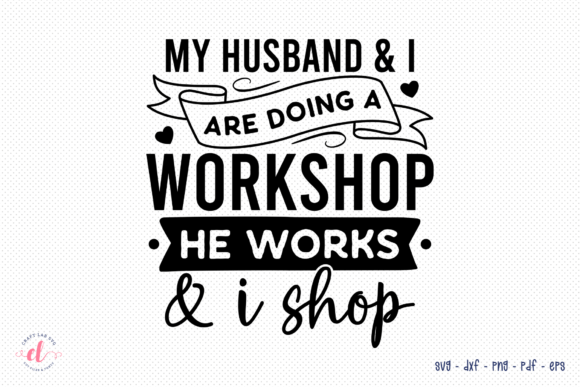
The phrase itself carries a playful, slightly ironic tone that resonates well with modern handmade aesthetics. Visually, the layout suggests a balance between bold statement typography and decorative elements. When I first opened the file to inspect the nodes, I looked for clean curves and logical segmentation. A good embroidery file must respect the limitations of the needle. If the original SVG has hairline details or overly complex intersections, it can become a nightmare to digitize properly.
This particular design feels suited for projects that benefit from a touch of humor and personality. It does not scream "luxury minimalism," but rather fits comfortably in the realm of cozy, relatable home goods and casual apparel. The mood is lighthearted, making it an excellent candidate for gifts where the sentiment matters more than intricate artistic detail. For an embroidery project to succeed, the visual weight must match the intended product. This design leans towards being a focal point rather than a subtle accent.
Real-World Application Scenarios
To truly evaluate My Husband I Are Doing a Workshop SVG, I imagined placing it on several common substrates. Here is how it holds up in practical scenarios:
- Custom Apparel: On a heavyweight cotton sweatshirt, this design would shine. The thicker fabric provides enough stability to support the stitch density without excessive puckering. It works well as a chest logo or a larger back print.
- Tote Bag Design: Canvas totes are forgiving. The texture of the canvas can hide minor imperfections, and the sturdy nature of the material handles the pull of the threads well. This makes it a viable option for small shop products sold at craft fairs.
- Personalized Gift Items: Think kitchen towels or aprons. However, one must be cautious with terry cloth or loose-weave linens. Without proper stabilization, the text might lose its crispness.
- Home Decor: A pillow cover made from medium-weight linen could feature this design nicely, provided it is placed away from high-friction areas like seams or zippers.
For Etsy sellers and creative entrepreneurs, versatility is key. This design’s adaptability allows it to fit into various collections, from holiday embroidery themes to everyday boutique branding. It is not just a static image; it is a potential revenue stream if executed correctly.
Technical Considerations for Embroidery
Since the source material is an SVG, it is crucial to understand that this is a vector graphic, not necessarily a pre-digitized embroidery file. If you are using it with cutting machines like Cricut or Silhouette, the process is straightforward. However, for machine embroidery, you must convert or purchase a properly digitized version. Here are the critical technical factors I assess before stitching:
Stitch Density and Type
If you are digitizing this yourself or buying a converted file, pay attention to the stitch types. Large filled areas should use a fill stitch pattern that accounts for fabric shrinkage. Text elements often require a satin stitch for clarity, but if the letters are too small, a running stitch or split satin might be necessary to prevent thread breaks. High stitch density in a small area can cause the fabric to pucker or tear, so balancing the underlay is essential.
Fabric and Stabilizer Selection
The success of My Husband I Are Doing a Workshop SVG depends heavily on your stabilizer choice. For stretchy fabrics like jersey tees, a cut-away stabilizer is non-negotiable to maintain shape after washing. For woven fabrics like cotton or linen, a tear-away might suffice, but only if the design is not too dense. Always test on scrap fabric first. I recommend stitching a sample on the exact same material and color you plan to use for the finished product.
Color Contrast and Thread Choice
Visual appeal relies on contrast. If you are stitching on a dark fabric, ensure your thread colors pop. A monochromatic look can be sophisticated, but for a humorous quote like this, high contrast often reads better from a distance. Check your design in black and white mockups to ensure the legibility remains intact regardless of color choices.
Where to Use Caution
Not every project is a good fit. I would advise against using this design on:
- Small Hoop Sizes: If the text becomes too small to read, the charm is lost. Ensure your hoop size accommodates the full width of the phrase without cramming.
- Curved Surfaces: Caps and hats require specialized digitizing. A flat SVG will distort on a curved brim unless adjusted for the contour.
- Thin or Sheer Fabrics: Delicate materials cannot support heavy stitching. The design may overwhelm the fabric, leading to distortion or visible stabilizer residue.
- High-Wear Areas: Avoid placing large embroidered designs on areas that rub against skin or other surfaces frequently, such as the inside of a collar or the seat of pants.
Commercial Viability and Brand Consistency
For those running a craft business, consistency builds trust. If your brand focuses on high-end, minimalist embroidery, this playful design might clash with your existing aesthetic. However, if your niche includes quirky, personalized gifts or family-oriented items, My Husband I Are Doing a Workshop SVG aligns perfectly. It enhances buyer engagement by offering a relatable narrative.
Before listing this as a digital embroidery file or selling finished items, confirm the licensing terms. Just because a file is available for Crafts and Graphics does not automatically grant commercial embroidery rights. Always verify whether the license covers physical sales, digital resale, or both. Protecting your business from intellectual property issues is as important as the quality of your stitching.
Final Verdict
In conclusion, My Husband I Are Doing a Workshop SVG is a versatile asset with strong potential for handmade products. Its strength lies in its relatability and visual clarity. By paying attention to stitch density, choosing the right stabilizer, and testing on appropriate fabrics, you can transform this digital graphic into a high-quality embroidered patch, tote bag design, or custom apparel piece. It is a solid addition to any designer’s library, provided it is used with technical precision and commercial awareness.